How to Prepare for COVID-19 Coronavirus in Your Community
NOTE: This article was originally published in March 2020 and contains information that is now out of date (e.g. when the article was published there were no vaccines available – they have now been developed and approved for effective use against severe illness). Check with the CDC online for the most current information.
***
With the number of cases on the rise each day, news of the Coronavirus pandemic is everywhere. Drastic measures are being taken to #FlattenTheCurve in an effort to reduce the spread of the virus and to save lives. Although it may be too early to know the exact rates of contagion, it is clear that this is a serious threat to a significant number of people.
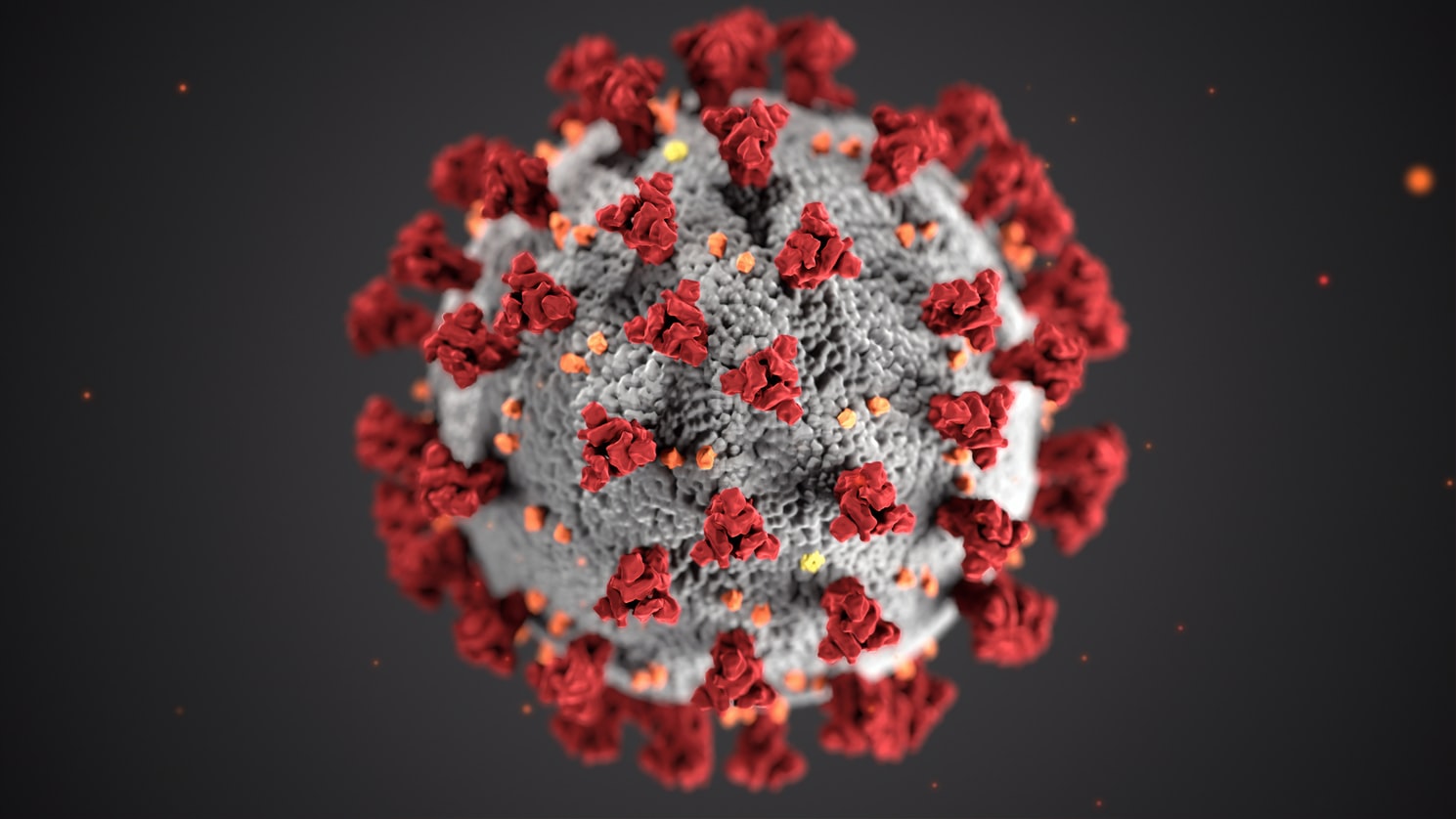
Coronavirus COVID-19 illustration by CDC
Quick Article Navigation:
What is the Coronavirus
The “coronavirus” in the news is a new virus that has been named “SARS-CoV-2”. The disease it causes has been named “coronavirus disease 2019” and is abbreviated “COVID-19” (it is also formerly known as “2019-nCoV“). This new strain of virus originated in China and quickly spread across the globe.
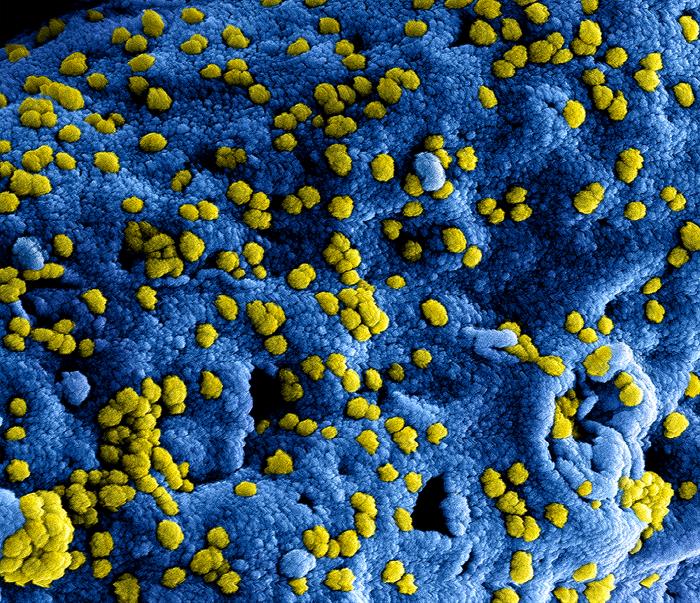
Digitally colorized scanning electron microscopic image of a coronavirus (MERS-CoV) by NIAID
Symptoms of the lower respitory illness include fever, cough, and shortness of breath.
There is no vaccine and there is no cure. Early studies suggest that the COVID-19 virus is more contagious than the common flu and more serious for people over 60 years old and with other immune disorders or medical issues like hypertension.
How to Prevent the Spread of Coronavirus
There are a number of smart precautions that can help to lower the chances of spreading the coronavirus. These hygiene tips are good habits to help prevent the spread of many contagious diseases.
Ultimately, the best way to prevent illness is to avoid being exposed to this virus. These tips are designed to help prevent contact with and exposure to the virus.
Prevention Strategies for Everyone
These strategies can help everyone lower their chances of both getting the illness and from spreading it.
- Practice Social Distancing
- Stay at home and limit your trips to only go out for necessities like food and medication
- Keep at least 6 feet away from other people whenever possible
- Limit physical contact with others (no handshakes, high fives, hugs, etc.)
- Clean Your Hands Thoroughly
-
- Wash your hands for at least 20 seconds after being in a public place, blowing your nose, coughing, or sneezing
- Alternately (if washing isn’t available), use a hand sanitizer that contains at least 60% alcohol
- Don’t Touch Your Face
- Avoid touching your eyes, nose, and mouth with unwashed hands
- Sneeze / Cough Into a Tissue or Elbows
- Throw away tissues after sneezing or coughing into them
- Immediately wash your hands after coughing or sneezing
- Wear a facemask when needed
-
- If you are sick, you should wear a face mask when you are around other people
- If you are not sick, a face mask is required when caring for a sick person, but may also reduce risk of asymptomatic transmission so consider wearing one when in public
-
Extra Prevention Strategies for People at High Risk
Per the CDC, people at higher risk should take additional strategies to protect themselves from the coronavirus. Those at high risk include older adults and people with serious chronic medical conditions (like heart disease, diabetes, and lung disease).
- Stock up on essential supplies now
- Medications (consider mail order if you cannot go out)
- Groceries
- Pet supplies
- Keep space between yourself and others
- Avoid crowds
- Avoid contact with sick people
- Avoid touching surfaces in public spaces
- Avoid cruise travel and non-essential air travel
- Wash your hands often
- Use soap and water for at least 20 seconds when possible
- Use hand sanitizer when it is not possible to wash your hands
- Clean and disinfect frequently touched areas at home on a daily basis
- Light switches
- Remote controls
- Toilets
- Cell phones
- During a COVID-19 outbreak in your community, stay home as much as possible to further reduce your risk of being exposed
If you find that you need to self-quarantine at home, know that you can get just about anything you need delivered to you at home in most cities. Check out food delivery services like InstaCart and the restaurant delivery services GrubHub and DoorDash as examples .
How to Prepare for the Coronavirus
Even if you never have a single symptom of the Coronavirus, the disease is likely to already be impacting your everyday life.

Digitally colorized transmission electron microscopic image of a coronavirus by NIAID
With restrictions on travel, closures of schools and workplaces, and cancellations of large festivals like SXSW, the things we are able to enjoy are being directly impacted. When these things are combined with shortages of necessities like medicines and toilet paper, there is no denying that the Coronavirus pandemic is a major event.
There have been reports of stores selling out of staples like water and toilet paper. Some medications have been in limited supply due to factory shutdowns in affected areas. You may want to make sure you have essentials like these on hand to last for a few weeks in case of closures or quarantines. In addition to your normal staples, the items below can help you to fight off germs at home and out in public.
Supplies to Navigate the Coronavirus Pandemic
Ensure that your family is ready for anything with the following supplies. Note that it may be helpful to purchase these items before you need them as any additional travel restrictions could limit product availability.
Soap
Whether you prefer a bar or liquid soap, cleansing with soap and water for at least 20 seconds is the best way to remove germs from your hands. Note that soap does not need to be “antibacterial” in order to work.
Surface Cleaners
These products can help you disinfect and clean surfaces at home and on-the-go.
Disinfectants
A quick spray of these disinfectants can help to kill germs on surfaces around the house.
Hand Sanitizers
When there is no soap and water available to wash your hands, use a hand sanitizer with at least 60% alcohol to kill germs. Alternatively (as packaged hand sanitizer is currently in short supply), you can make your own hand sanitizer at home with an online tutorial).
UV Sanitizers
These UV-based sanitizers can help clean unusual surfaces like cell phones, keyboards, and other items that should not get wet with traditional cleaning products.
Masks
The current recommendations are that these are only needed when you are either sick or caring for someone who is sick. If that is you, then choose a high-quality N-95 mask to keep the virus from spreading. Otherwise, the health care workers hope that you won’t purchase these if you don’t need them (this will help ensure they are available in hospitals where they are needed most).
If you can sew, consider sewing your own protective face mask at home for your family, and if you have the time, consider making enough to donate to a health care facility in need. For those who do not sew, here is a quick tutorial to make a quick no-sew mask with fabric and rubber bands.
Gloves
Use disposable gloves that can be thrown out when cleaning. These can also be used to limit contact when caring for a sick person.
Tissues
Make sure to cough or sneeze into a tissue whenever possible. Throw out the tissue after you sneeze / cough into it.
Hydrate
Staying properly hydrated with balanced electrolyte levels is important for health at all times.
Supplies for Emergency Outages
In the event that services are suspended for brief or extended periods, it can help to be prepared with emergency supplies. These items can be helpful during emergencies of many natures including weather, seasonal, and other emergencies like COVID-19.
Power Sources
Portable Battery Chargers
These portable battery chargers can be charged during times when the power is on, and used as a backup power source when needed. The small sizes are great for travel, but the charge may only power a smart phone for a few hours.
Solar Chargers
With an ample amount of sun, you can opt for a solar-powered way to charge your devices. There are solar powered options from large to small — choose a portable folding solar panel charger for a backup smart phone charger, or go completely off the grid with a solar powered roof at home and a solar powered car in the garage.
Fire-Powered Generators
For a versatile tool that provides heat for cooking and generates electricity for devices, consider a small biomass stove.
Gas-Powered Generators
When you need to make sure that you have uniterrupted power in your home, you’ll want to have an adequately sized gas-powered generator. Purchase one of these well in advance of events like major storms (hurricanes, blizzards, etc.) because they can be impossible to purchase when you need them the most.
Potable Water
Bottled Water
If you have storage space and plan in advance, you can store emergency bottled water for you family. However, most bottles are not meant to be stored in high temperatures (like garages in Summer) or over long periods of time (over a year).
Water Filters
If you aren’t able to distill or boil water that is not known to be clean, then at least use a filter to remove most impurities that could make you sick.
Water Treatment Tablets
These small tablets are easy to carry in an emergency “go-bag” to ensure that you can have drinkable water from any water source.
Water Distiller
Purifying water using distillation is a way to remove impurities. Tabletop electric distillers make it easy to set a batch for easy dispensing while non-electric versions allow for more versatile distilling options.
*** PLEASE NOTE ***
Many of these items are selling out extremely fast. Make your purchases as soon as possible.
Online COVID-19 Coronavirus Resources
For ongoing updates, follow these internationally recognized health resources:
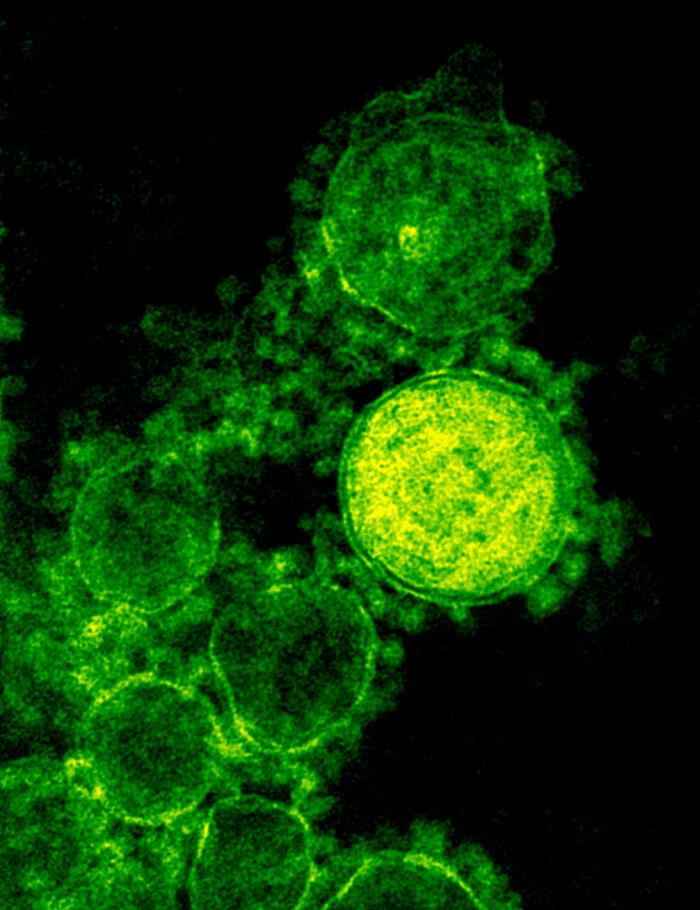
Digitally colorized transmission electron microscopic image of a coronavirus (MERS-CoV) by NIAID
CDC
Based in Atlanta, GA, the Centers for Disease Control and Prevention is at the forefront of the US response to the outbreak. Stay current with updates on their website at cdc.gov/coronavirus/2019-ncov or on CDC Social Media at:
- Facebook: facebook.com/CDC
- Instagram: instagram.com/CDCgov
- Twitter: twitter.com/CDCgov
- YouTube: youtube.com/user/CDCstreamingHealth
WHO
The World Health Organization is committed to slowing the spread of the virus worldwide. Follow online for the latest international updates at either their website at who.int/health-topics/coronavirus or on WHO Social Media at:
- Facebook: facebook.com/WHO
- Instagram: instagram.com/who/
- Twitter: twitter.com/WHO
- YouTube: youtube.com/user/who
New England Journal of Medicine
A collection of articles and other resources on the Coronavirus (Covid-19) outbreak, including clinical reports, management guidelines, and commentary. Stay informed on their website at nejm.org/coronavirusor on NEJM Social Media at:
- Facebook: facebook.com/TheNewEnglandJournalofMedicine
- Instagram: instagram.com/nejm
- Twitter: twitter.com/nejm
- YouTube: youtube.com/user/NEJMvideo
***
Please understand that small, individual actions do add up to make a real difference. We are all in this together. Stay safe, healthy, and let’s all get through this together.
***
Originally published March 11, 2020 and updated on March 23, 2020.









Thanks for this helpful information during this chaotic time in our lives. This virus is defiantly quite contagious and has killed many people, but I think following your guideline here to prepare for it can help tremendously.
I think one thing that you could add to your list of things to buy are items you’ll need in case you get it like cough medicine, and medcinr for sore throat. I’ve also heard drinking lots of water and gargling it with salt water helps.
Do you know anyone personally that has gotten this, and if so what have they done to help fight it?
Hi Michael, Unfortunately, I do have a good friend who is currently fighting the virus. He is following his doctor’s orders, but without a cure, it’s mostly a matter of fighting some of the symptoms with rest, pain medication (for a terrible headache), and an inhaler for bad coughing fits.
The best medicine is certainly prevention.
Thank you so much for sharing such an informative post during this difficult time. We still have another 6 days to go until the government decided what to do. I live in NYC and I am scared most of them time on what is going to happen next since we are the highest infected State now. I try to drink hot water for now as will kill the covid-19 and I practice social distancing everywhere I go. I also wash my hands religiously and do not touch my face as well. Water distiller is a good device to have. Thanks again.
Stay safe Nuttanee and please double-check any claims for fighting the virus that you see online. There is currently no evidence from reputable sources (e.g. the CDC) that says that drinking hot water will kill COVID-19.
Keeping isolated, physical distancing from others, and hand washing are definitely recommended and should help to keep you healthy. Thanks for adopting these smart habits to keep yourself (and others) safe.
Thank our informative article at this difficult time.
It’s good to know that the advice is similar across the world and that everybody is working together to get rid of this horrible disease and at least flatten the curve.
Here in the UK, we have just gone into lockdown.
I like the fact you have also added informative links to internationally recognised health resources. I will certainly be using to keep informed.
Take care and stay safe
Thank you Lawrence. Be safe!
This is a very thorough article. I particularly like the list of supplies to keep on hand. I had not thought about anything that could help with cooking. My wife and I are older. She has an immune system disorder so we are staying isolated and at home. Fortunately, to this point, we have been about to have delivered everything we need. I think we will stock up on things other than cleaning supplies and food as you have suggested in your article. My wife has to use distilled water quite a few times daily. Its hard to get in the stores so we are looking at the distiller that you have on your website. Thanks for the article.
Thank you for staying at home to protect both yourselves and others who are at high risk for contracting COVID. Wishing you and your family good health.
I’ve been reading a ton of COV-19 articles lately, but this is the first one I’ve seen one showing its readers actual supplies along with action to take to combat this microscopic enemy. Usually, they’re rehashing what the news says and are just writing an article about what they heard, but you’ve gone in-depth not just for COV-19, but for any case where survival is needed. With the virus in full force, coupled with a tanking economy, there is no better time to stock up on necessary supplies, so if a crisis like this happens again – and it definitely can, you will be ready.
Thanks Todd. These are challenging times for all of us, and with limited accessibility to our usual shopping options, it seems extra important to be ready in advance for things like storm-related temporary power outages (pretty common in my area in the next couple of months).