Easy Ways to Save Money on All Your Purchases
Saving money should not feel like another job. The most useful strategies fit naturally into a purchase you already plan to make. Start by choosing well, decide where to buy, select the best way to pay, and add one or two savings that work together.
We regularly use discounted gift cards, credit-card bonus categories, loyalty benefits, subscription pricing, and refurbished options. None of these ideas needs to be used every time. The goal is simply to notice the opportunities that make sense for the purchase in front of you. 🛍️
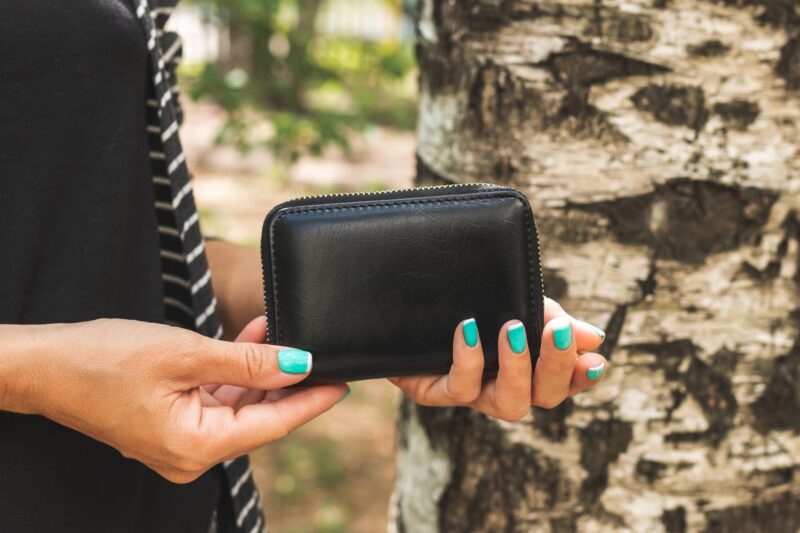
Tips to Help You Hold On to Your Money
Think of this as a short purchase journey: decide what is worth buying, choose where to buy it, decide how to pay, and check the result afterward. Even one smart choice can improve the value of an order.
Quick Article Navigation:
Choose What and When to Buy
The first savings decision happens before choosing a retailer or opening your wallet. A good purchase solves the right problem, fits your life, and provides enough value to justify its cost. A discount is most helpful after that decision is made. 🎯
Start With Value, Not the Discount
Before looking for a coupon, ask whether the product will be useful, durable, and easy to live with. A well-made staple such as the L.L.Bean Boat and Tote is a simple example. Its value depends on how often it is used and how well it lasts, not on finding the largest percentage-off banner. 👜
Ask four quick questions: Will I use it? Does it solve the right problem? Is it likely to last? Would I still want it without the sale sign? A lower price is valuable only when the purchase itself makes sense.
For nonessential purchases, give yourself time. Add the item to a list and return to it later. Waiting may reveal a seasonal sale, a newer model, clearance inventory, or the realization that the item is no longer important.
Warren Buffett
Compare New, Refurbished, and Previous-Generation Options
The newest version is not always the best value. Refurbished and previous-generation electronics, tools, appliances, and office equipment may provide the features you need for substantially less. ♻️
Keep the comparison simple:
- Who inspected or refurbished the item?
- What condition, warranty, and return period are included?
- Are accessories, cables, or batteries missing?
- Does the newer model add anything you will actually use?
Explore current examples through B&H Used Equipment. For instruments and music gear, the Reverb Price Guide can help establish what a model has been selling for. 📷 🎸
Seller support matters as much as the label. A well-documented refurb with a useful warranty may be a safer value than a cheaper used item with no return option. Compare the condition and protection, not just the model number.
Count the Complete Cost
The price beside the product is only the beginning. Add shipping, required accessories, installation, subscriptions, refills, maintenance, return costs, and expected useful life.
Everyday Saving with Discounted Gift Cards
For a fast comparison, estimate the cost to buy it, receive it, use it, maintain it, and eventually replace it. This is especially helpful for appliances, printers, coffee systems, razors, and anything else that depends on refills or proprietary supplies. 🧮
Printers make this easy to see. A low-priced printer may require expensive cartridges, while Office Depot’s supertank printer selection includes models designed around refillable ink reservoirs. Comparing the machine and its expected ink cost produces a more useful number than comparing printer prices alone. 🖨️
Oscar Wilde, The Picture of Dorian Gray
The better value may have a higher starting price but fewer continuing costs.
Choose Where to Buy
Once the product is clear, compare the retailers that sell it. The best place to buy may offer better service, returns, rewards, or support even when another store advertises the lowest price. 🏬
This is where loyalty can become useful. If Store A knows your purchase history, extends your return window, or helps you maintain valuable status, it may be the better seller. The next step is to bring the best available price to that preferred retailer.
Compare More Than the Sticker Price
Before choosing the seller, quickly compare:
- Final delivered price, including shipping and fees
- Availability, pickup options, and delivery timing
- Return policy and possible return-shipping costs
- Customer service, warranty help, and installation support
- Loyalty value, including points, status, or benefits you already use
Those differences can make a preferred retailer worth choosing. If its price is higher, check whether it will match the competitor.
Use Price Matching to Keep Preferred Benefits
Suppose an identical item costs $200 at Store A and $180 at Store B. If Store A offers price matching, you may be able to pay $180 at the retailer whose service, returns, or loyalty program you prefer. You keep the lower price and the retailer benefits that matter to you. 🔁
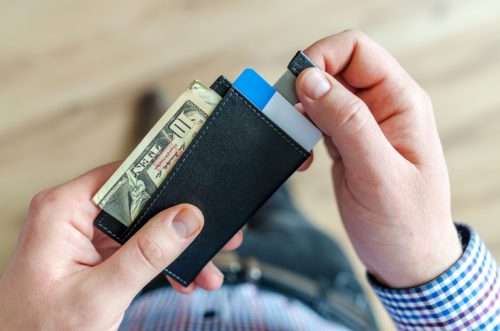
Cash and Cards in Wallet
This is different from a price adjustment. A price match helps you choose the preferred seller before checkout. A price adjustment asks the original seller to refund a later price drop after the purchase.
Current policies worth checking include:
- B&H Photo, which reviews eligible competitor prices before providing an approved purchase link
- Bass Pro Shops and Cabela’s, where qualifying CLUB members may receive an additional 5% advantage
- Kohl’s, which allows Kohl’s Cash and Rewards on qualifying price-matched products
- Office Depot and OfficeMax, which match qualifying identical items from named competitors
- Petco and PetSmart for qualifying identical pet products
Have the current competitor page ready. Items usually need to be identical, new, in stock, and sold directly by an approved competitor. Marketplace sellers, clearance, coupons, limited-quantity deals, and major holiday offers are common exclusions.
Choose How to Pay
After deciding where to buy, choose the payment method that adds the most useful value. The answer may change depending on whether this is a frequent retailer or a one-time purchase. 💳
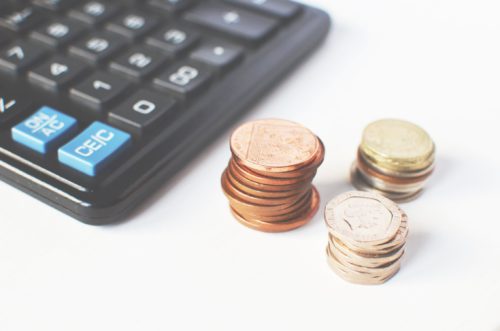
Adding Up Savings
Retailer Card, Bank Card, or Co-Branded Card?
Use a quick outline:
- Frequent retailer: A retailer card may provide repeated store discounts, rewards, shipping, financing, or special access.
- One-time purchase: A general bank card may offer flexible points, cash back, broad acceptance, or stronger purchase protection.
- Bonus category: Use the card offering extra rewards for an activated category such as gas, groceries, travel, online shopping, or home improvement.
- Loyalty goal: A co-branded card may earn brand-specific points or help maintain hotel or airline status.
We still keep an Amazon Visa and an IHG rewards card because their brand-specific benefits can be useful in the right circumstances. We also watch for credit-card category bonuses throughout the year. The Discover Cashback Bonus calendar is one example of activated quarterly categories that may offer 5% back up to a stated limit. 🏦
Merchant rewards are another layer. Kohl’s Rewards, for example, is separate from the retailer’s payment card.
A co-branded card can sit between the other choices. It is issued by a bank but earns benefits tied to a retailer, airline, or hotel. Choose the benefit you will actually use: a store discount, flexible cash back, a category bonus, loyalty points, purchase protection, or progress toward status. Do not assume the store-branded option wins every time.
Rewards work best when the purchase fits the budget and the statement balance is paid in full. Interest can quickly exceed the value of points or cash back.
Pay With a Discounted Gift Card When It Fits
A discounted gift card lowers the effective cost before the purchase is completed. We have purchased discounted cards through Sam’s Club this year. Other places to compare include CardCash, CardDepot, and GiftCards.com. 🎁
Paying $90 for a $100 card creates an immediate $10 advantage. Buy the card only after the retailer and purchase are known, and confirm delivery, restrictions, expiration terms, and seller protection.
Avoid buying more credit than you can use comfortably. A 10% discount on a forgotten balance is not a saving. Discounted gift cards work best for a planned purchase or a retailer you visit regularly.
A gift card may reduce the amount charged directly to a credit card, which can affect rewards or purchase protections. Compare that tradeoff on expensive items. Planning a larger order? See our guide to bulk gift-card discounts.
Stack Savings That Work Together
Stacking means combining compatible benefits without turning checkout into a research project. Separate the savings that lower today’s cost from benefits that may help later. 🧩
Lower Today’s Cost
A simple stack can be easy to follow:
- A $75 sweater receives a $10 store discount.
- An 8% discounted gift card saves another $5.20.
- An eligible 2% card reward on the gift-card purchase returns about $1.20.
The immediate effective cost falls from $75 to approximately $58.60. A retailer program that explicitly supports compatible savings, such as Kohl’s Cash, can help illustrate what to check in the terms. ✨
The order matters. Apply the store sale first, pay with the discounted gift card, and count only the card reward actually earned on that gift-card purchase. Free shipping can be added too, but it prevents an expense rather than reducing the merchandise price.
Count Future Benefits Separately
The same purchase might also provide:
- $2.50 in loyalty points
- Free shipping
- A useful gift with purchase
- Progress toward loyalty status
- A return-customer coupon
These benefits can be worthwhile, but they are not cash saved today. Count a future perk when you actually use it.
This prevents an impressive-looking stack from overstating the result. Loyalty points and status credit may influence where you buy, while a coupon that expires unused adds no value. 🎟️
Use Subscription Savings for True Repeat Purchases
Subscriptions work best for products that already have a dependable place in your routine. Chewy Autoship provides a pet-supply example with adjustable delivery timing. 🐾 For coffee purchased on a predictable schedule, Nespresso AutoReplenish shows how a recurring order can unlock a discount. ☕
Before subscribing, check the price, order minimum, delivery schedule, and how easily the plan can be paused or canceled. Review recurring purchases a few times each year.
Watch the quantity as carefully as the discount. A subscription saves money only when the product is consumed before the next shipment arrives. Pause the order when the cupboard starts getting ahead of the calendar.
Benjamin Franklin
Check the Purchase After Checkout
Price matching happens before checkout. A price adjustment happens afterward. A quick follow-up can recover a price difference and make sure every promised benefit arrived. 📉
You do not need to monitor every order indefinitely. For a significant purchase, note the retailer’s adjustment window and check the price once or twice before it closes.
Request a Price Adjustment
Keep the receipt until the return or adjustment period ends. If the retailer’s price falls, check whether the difference qualifies for a refund.
Current examples include the Kohl’s price-adjustment policy, B&H Photo, and the Dyson price-match promise. Policies and exclusions vary, so verify the current terms directly. 🧾
Some policies cover only the retailer’s own lower price, while others also consider eligible competitors. Save a screenshot or link when you find the lower price, then make the request promptly.
Confirm the Other Benefits
Before closing out the purchase, confirm three things:
- Did the loyalty points, status credit, or cash back post correctly?
- Should the product or warranty be registered?
- Is the receipt stored somewhere easy to find?
This takes only a few minutes and can prevent a useful benefit from disappearing unnoticed.
For a larger purchase, also confirm that any extended warranty, return protection, or statement credit is tied to the payment method you used. Keep the receipt until every expected benefit is visible. 🔎
Use a Simple Shopping Checklist
The goal is not to use every tactic on every order. A short routine makes the best opportunities easier to notice. ✅
- Choose the right product and wait when it is not urgent.
- Compare versions and the complete cost.
- Choose the retailer and request a price match when appropriate.
- Choose the retailer card, bank card, co-branded card, or discounted gift card that provides the best value.
- Add one or two compatible savings.
- Check for a price adjustment and confirm the rewards afterward.
If discounted gift cards regularly fit your spending, bookmark a current source such as Sam’s Club gift-card savings. The best routine is the one that feels easy enough to use again. 🌟
Most purchases will not use every step. Start with the two or three checks most likely to matter, then move on with confidence.
***
Thank you for saving and sharing this article!
More Favorites and Useful Resources
Continue exploring products, services, and practical ideas that make everyday life a little better. 💗
- ⭐ Favorite Products We Actually Use and Recommend
- 💻 Best Online Services for Home and Office
- 🏡 Tips for Working From Home
You can also revisit examples such as Chewy Autoship, B&H Used Equipment, or Kohl’s Cash to see how individual strategies work in practice.
Which savings ideas fit naturally into your routine? Share your favorite price matches, discounted gift-card finds, refurbished wins, or savings stacks in the comments. If this guide helped you see a purchase differently, please share it with someone who enjoys finding better value too. 💬














I like the focus on finding simple ways to save money on everyday purchases. Small savings may not seem significant at first, but when they become regular habits, they can make a noticeable difference over time. I especially think it is important to save money without buying things we don’t actually need just because there is a discount. Which money-saving strategy from the article do you think would make the biggest difference for someone trying to reduce their monthly expenses?
Mala, finding discounts on your planned purchases is one of the best ways to reduce monthly spending without letting a sale create a new expense. For most households, comparing prices and stacking available rewards or coupons on regular essentials can make the biggest long-term difference in a budget.
Finally, a guide that makes saving money sound as easy as spending it — like a cheat code for adulting! Thanks, Alyce, for turning my shopping sprees into saving sprees!
I try to save money when I go to the stores, like using coupons use a reward program, and signing up for discounts on all items. Reward programs are a great way to save money if you have a budget for spending what you need
Hello! Reward programs and coupons can definitely make everyday purchases stretch further when they are paired with a clear spending budget.
Signing up for relevant discounts before shopping is a smart way to save on items you already need, without turning a deal into an extra purchase.